Six things, and the order we do them in
Everything below is work our own crew does. On a house built in 1910, the repair comes before the paint — so that is how we quote it, and how this page is arranged.
Why we lead with plaster
Most of the housing here went up between 1890 and 1930, and most of it still has lath-and-plaster walls. Plaster moves. It cracks along the lath, it lets go around old keys, and it telegraphs every radiator leak the house has ever had.
Paint does not fix any of that. It hides it for a season, and then the crack comes back through the new finish and the job looks worse than before you spent the money. So we price the repair and the painting as two separate lines, and we do them in that order.
What we do
Plaster first, then the painting it makes possible, then the carpentry and finish work that goes with it.
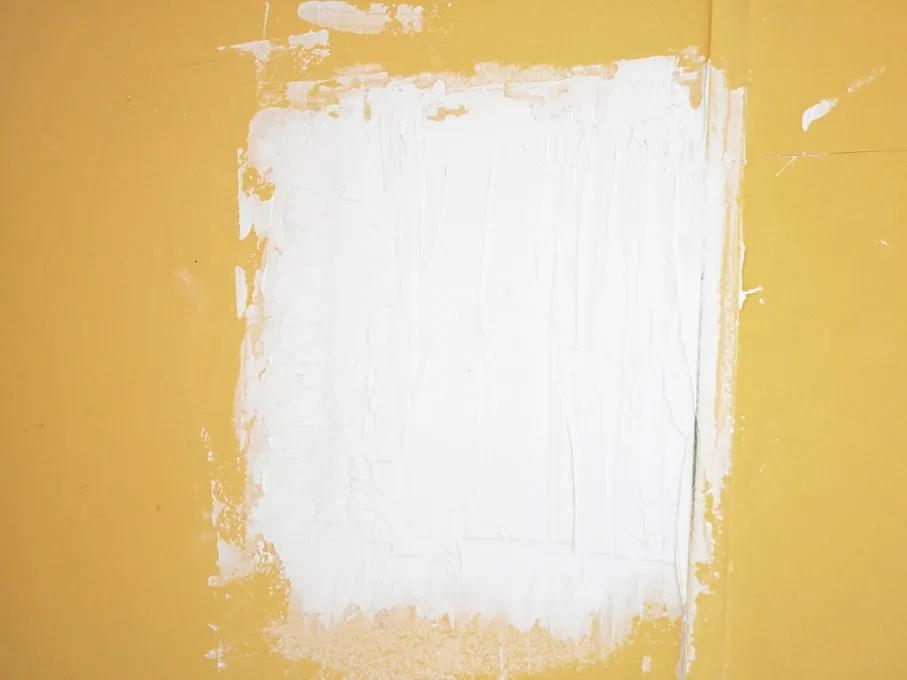
Plaster repair & skim coating
The reason most Camberville walls look tired is not the paint. Lath-and-plaster cracks along the same lines every winter, and a coat of paint just moves the problem six months down the road.
- Crack repair cut back to sound plaster, taped and floated
- Full skim coats where a wall has stopped reading flat
- Ceiling patching after a radiator or a roof leak
- Keys re-secured where plaster has let go of the lath
- Wallpaper stripped and the wall underneath made good

Interior painting
Walls, ceilings, trim, doors and the stairwell nobody else wants to stage. Rooms come back to you clean, with the furniture where you left it.
- Whole-house interiors and single-room repaints
- Trim, crown, casings and panelled doors
- Two- and three-story stairwells, staged properly
- Dust containment and daily cleanup in occupied homes
- Radiators, registers and the bits usually painted around
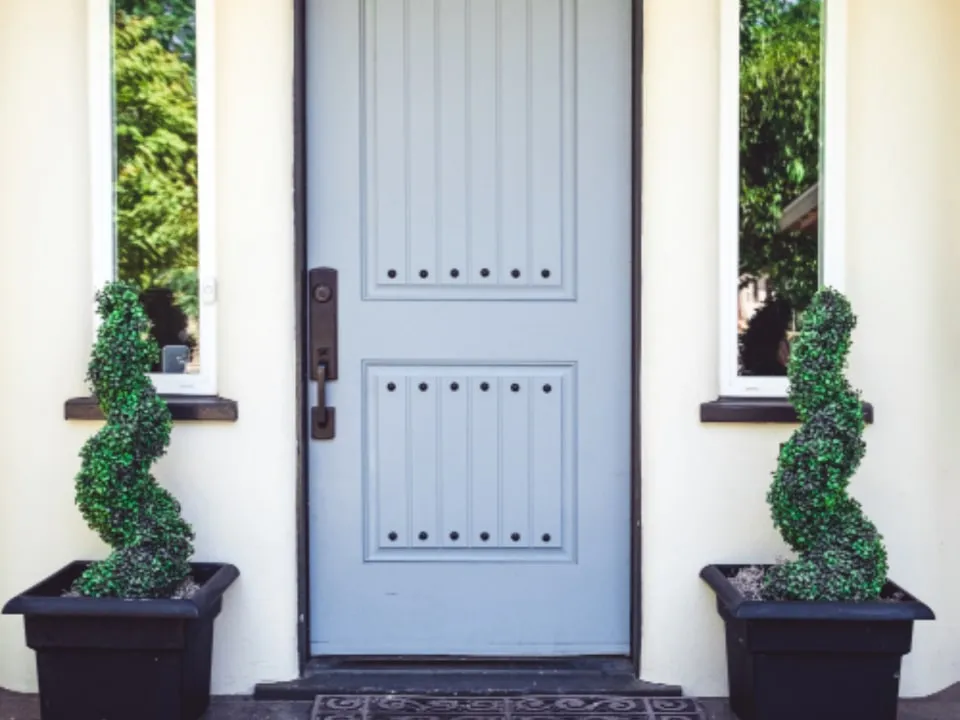
Exterior painting
Clapboard, cedar shingle, trim and porches — including the three-deckers most crews would rather not stage. Scraped, primed and caulked before a drop of color goes on.
- Clapboard, shingle and vinyl-safe coatings
- Porch ceilings, columns, railings and treads
- Window sashes, sills and storm trim
- Full staging for three-story multifamily work
- Lead-safe scraping and containment on pre-1978 exteriors
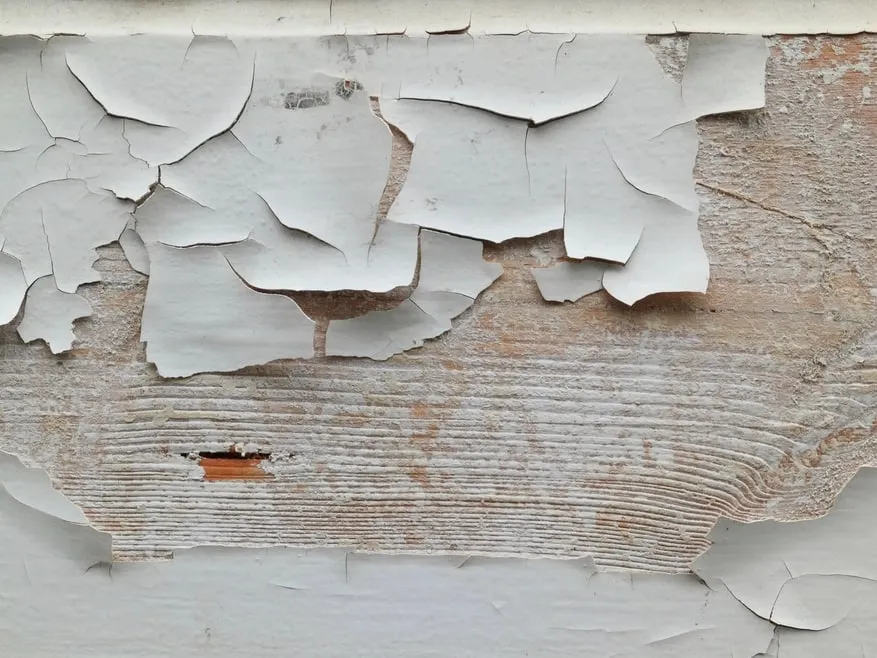
Prep carpentry & rot repair
Soft sills, split casing and spongy porch boards get replaced, not painted over. We carry the lumber, so it does not turn into a second contractor and a second wait.
- Sill, casing and corner-board replacement
- Porch decking, treads and railing repair
- Soffit, fascia and rake board
- Sash repair and re-glazing on original windows
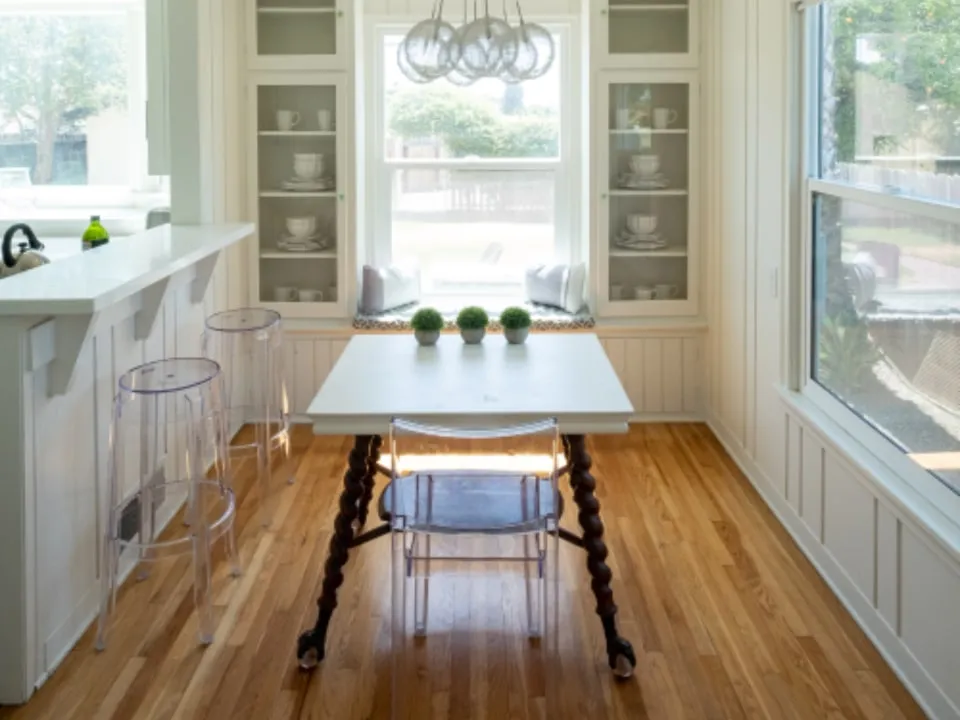
Cabinet refinishing
A sprayed, factory-grade finish on the kitchen you already have. Doors come off, get degreased and sanded, and go back on hardware that lines up.
- Doors and drawer fronts sprayed off-site
- Boxes finished in place, the kitchen sealed off
- Grain-filling on oak where you want it smooth
- Hardware swapped and realigned on rehang
Porch & deck finishing
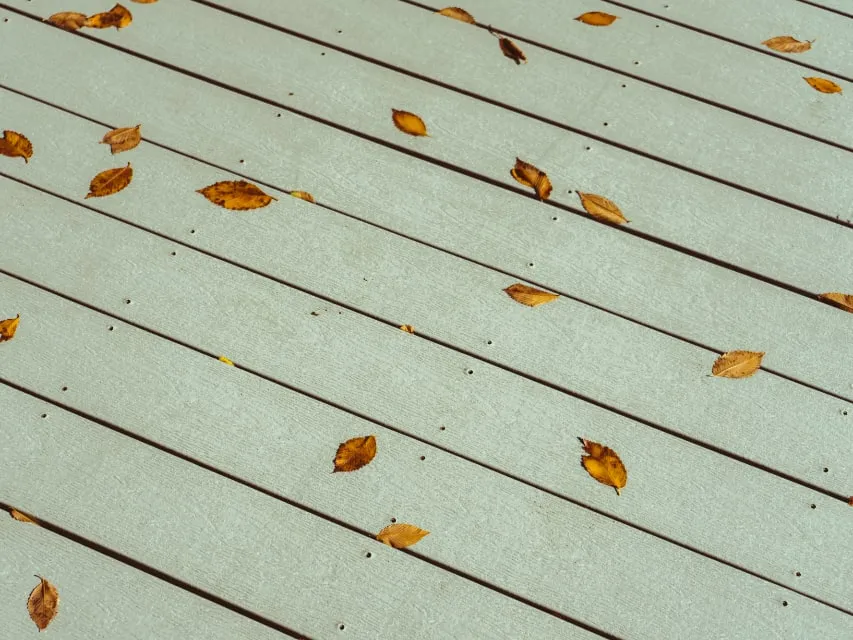
Washed, brightened and left to dry properly before stain — the step that decides whether a porch floor lasts two seasons or six.
- Pressure washing and wood brightener
- Solid, semi-transparent and clear finishes
- Railings, lattice, stairs and porch floors
- Popped-nail and loose-board repair first
Not sure which of these you need? Describe the problem and we will tell you. Send us a few details, or call (617) 555-0128.
What we do not do
A short list, because knowing where a contractor stops is worth as much as knowing where they start. If you need one of these, ask and we will point you at someone who does it well.
- Roofing, siding replacement and window replacement
- Kitchen and bathroom remodels
- Additions, framing and structural work
- Commercial and new-construction volume painting
- Floor refinishing
What people ask about the work itself
The money and scheduling questions are answered on the contact page, next to the form.
Do you work on old houses with lead paint?
Constantly — almost everything here predates 1978. That means contained work areas, HEPA vacuums, plastic containment and proper disposal on every one of those houses, inside and out. It is not an upgrade you add to the quote; it is how the job runs. Plenty of crews quietly skip it.
Can you just paint over the cracks?
We can, and we will tell you exactly how long it will look good for — usually one winter. Lath-and-plaster cracks move with the house, so paint bridges them for a season and then they come back through the new finish. We quote the repair separately so you can see what you are choosing between.
What paint do you use?
Benjamin Moore Regal and Aura inside, Aura Exterior or Sherwin-Williams Duration outside. We do not put builder-grade paint on a repaint. It is the cheapest part of the job and the part that decides how the room looks in year four.
Do you paint in the winter?
Interiors year-round, and winter is the cheapest time to book them because everyone else is waiting for spring. Exteriors run roughly April through early November here — below about 40°F the coatings will not cure properly, and anyone who tells you otherwise is booking work, not doing it right.
Not sure which of these your house needs?
Describe the problem — the crack that keeps returning, the porch that has gone soft, the kitchen you are about to replace — and we will tell you what it actually takes to fix it.